

Meet Alex, a 22-year-old computer science student who’s been an avid gamer since high school. In his free time, Alex spends hours honing his skills in multiplayer online battle arenas, competing against players from all over the world. For Alex, gaming is more than just a hobby – it’s a way of life. But Alex is not alone. A growing community of gamers like him is driving the rise of esports, a global phenomenon that’s transforming the way we think about competitive gaming culture.
The Birth of Esports
Esports has its roots in the early days of online gaming, when gamers would gather in chat rooms and online forums to compete against each other. As the internet grew, so did the community, with players organizing their own tournaments and leagues. But it wasn’t until the early 2000s that esports started to gain mainstream recognition, with the launch of the Cyberathlete Professional League (CPL). The CPL was one of the first major esports organizations, providing a platform for top players to compete against each other and showcase their skills.
The Rise of Professional Gaming
Fast forward to today, and the esports industry has grown exponentially. Major tournaments like the League of Legends World Championship and the Overwatch World Cup draw in millions of viewers, with prize pools reaching as high as $30 million. Professional gamers are now treated like celebrities, with top players earning six-figure salaries and signing lucrative sponsorship deals. The rise of professional gaming has also led to the creation of new roles, such as team managers and analysts, who help teams strategize and improve their gameplay.
The Business of Esports
Esports is no longer just a hobby for enthusiasts – it’s a multi-billion dollar industry that’s attracting investors and sponsors from around the world. Major brands like Coca-Cola, Nike, and Samsung are now involved in esports, either through sponsorship deals or by launching their own esports teams. The growth of esports has also led to the creation of new business models, such as esports agencies and talent management companies, which help players navigate the industry and secure lucrative deals.
As the esports industry continues to grow, it’s creating new opportunities for gamers like Alex to turn their passion into a career. But it’s not just about the money – esports is also changing the way we think about competitive gaming culture, with a growing focus on community engagement and fan experience.
The Future of Esports
So what’s next for esports? One trend that’s gaining momentum is the rise of virtual reality (VR) gaming, which promises to take the esports experience to new heights. Imagine being able to step into a virtual arena and compete against players from around the world in a fully immersive environment. It’s an exciting prospect, and one that’s already being explored by top esports organizations.
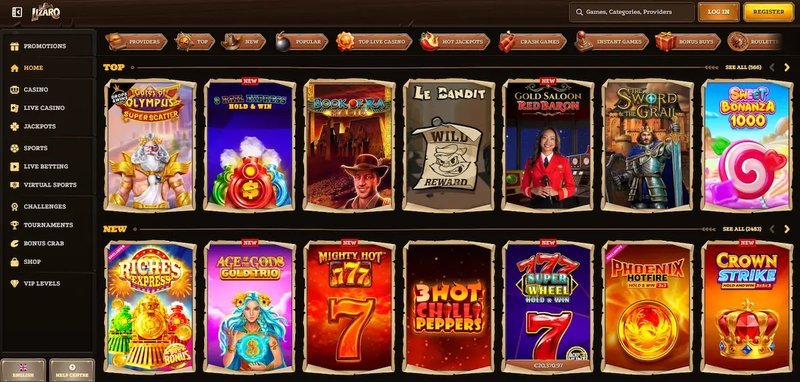
But for now, Alex and his fellow gamers are content to compete in the virtual world, honing their skills and pushing the limits of what’s possible. And for those who want to kick off with Lizaro and explore the world of online gaming, there’s no better place to start than with the Freedom Poole community, where gamers come together to share their passion for gaming and learn from each other’s experiences.
The Impact of Esports on Gaming Culture
As esports continues to grow, it’s having a profound impact on gaming culture as a whole. With more people watching and playing esports, the stigma around competitive gaming is slowly disappearing, and gamers are becoming more accepted as a legitimate community. Esports is also driving innovation in game development, with game designers creating new titles specifically for competitive play.
A helpful resource is kick off with Lizaro.
For Alex and his fellow gamers, the future of esports is bright – and it’s an exciting time to be a part of the gaming community. As the industry continues to evolve, one thing is clear: esports is here to stay, and it’s shaping the future of competitive gaming culture in ways we’re still only just beginning to understand.